Columbia, MD · Howard County
Damage Restoration Services in Columbia, MDEmergency Water Extraction & Storm Damage Repair
Get Damage Restoration Services in Columbia for emergency water extraction, sewage backup cleanup and storm damage repair.
Answered 24/7
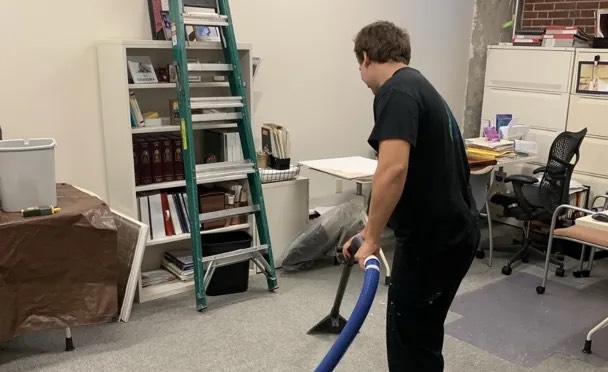
Trusted Damage Restoration Services for Columbia Properties
Damage Restoration Services in Columbia work for homes and businesses alike. Businesses often need work planned around hours, while families need to know which rooms they can still use.
In Columbia, Ellicott City, Laurel and Burtonsville, water left after firefighting often causes as much damage as the fire. Local restoration pros extract that water and dry the rooms around the fire.
Damage Restoration Services Available for Columbia
Emergency Water Extraction
Standing water from a leak, overflow or flood is pumped and extracted from floors, carpet and low spots as soon as the source is stopped.
Storm Damage Repair
Storm water from outside is treated as contaminated, so soaked porous materials are removed before drying.
Sewage Backup Cleanup
Carpet, pad and lower drywall soaked by sewage are bagged and removed before the area is disinfected and dried.
Fire Sprinkler Water Cleanup
Rooms that got wet but not burned are dried quickly so they do not develop odors or water stains.
Structural Drying Services
Air movers and dehumidifiers dry walls, subfloors and framing after extraction, with readings taken daily until each material is normal.
Indicators Your Property Needs Damage Restoration Services
Persistent Dampness in Carpets
Carpet that stays damp days after a spill or leak is holding water in the pad.
Active Water Drips or Pools
Dripping water or pooling on floors means an active leak that needs attention now.
Visible Mold Colonies
Dark spots on walls, ceilings or carpet backing mean an area has stayed wet for days.
Warped Flooring or Baseboards
Flooring that cups or baseboards that swell have absorbed water from below or behind.
How Damage Restoration Services Work in Columbia
Step 1: Damage Assessment and Documentation
The source is stopped, the wet area is mapped and photos record the damage before work starts.
Step 2: Water Removal
Standing water is pumped and extracted from floors, carpet and low spots right away.
Step 3: Structural Drying
Air movers and dehumidifiers dry walls, floors and framing, with readings taken every day.
Step 4: Contents and Property Care
Belongings are cleaned or set aside, and the structure is readied for repairs once dry.
What Often Leads to Water Damage in Homes and Businesses
HVAC Condensation Issues
Clogged AC condensate lines overflow into closets, attics and the ceilings below them.
Roof Leaks and Compromises
Damaged shingles, flashing and roof vents let rain into attics and ceilings.
Sewer Line Backups
Blocked sewer lines push wastewater up through floor drains, tubs and toilets on lower floors.
Severe Weather Events
Heavy storms push water through roofs, windows and doors into homes and businesses.
Damage Restoration Services for Homes and Businesses in Columbia
Residential Damage Restoration Services
Families with young children or pets should stay out of areas with sewage or floodwater until they are cleaned.
Commercial Damage Restoration Services
Restaurants, medical offices and schools need contaminated water cleanup that meets the health rules for those spaces before reopening.
Leave Damage Restoration Services to the Local Pros
Fans and open windows help surfaces dry, but hidden water inside walls and under floors needs dehumidifiers and moisture readings to confirm it is really gone.
What Affects the Price of Damage Restoration Services
The cost of damage restoration services in Columbia depends on how much water there is, what type of water it is and how many rooms and materials it reached.
Content Restoration Scope
Moving, cleaning and storing furniture and belongings adds labor and time to the job.
Post-Restoration Repairs
Drywall, flooring and other repairs after drying are separate from the water removal cost.
Material Disposal Needs
Contaminated or ruined materials must be bagged and disposed of, which adds handling fees.
Does Insurance Cover Damage Restoration Services?
Photos, moisture readings and daily drying logs from local restoration pros help support an insurance claim for water damage in Columbia.
The Value of Professional Damage Restoration Services
Industry Drying Standards
Drying follows industry water damage standards, with moisture readings taken at every visit.
Moisture Detection
Meters and thermal cameras find water hidden in walls, floors and ceilings.
24/7 Emergency Response
Help is available day or night, so water is removed before it spreads further.
24/7 Emergency Damage Restoration Services for Columbia
If a ceiling is sagging or water is near outlets, leave the room and shut off power if it is safe. Then call (240) 261-5117 for help in Columbia.
Call Now (240) 261-5117Damage Restoration Services Coverage for the Columbia Region
Each place listed below has its own page with local details.
- Damage Restoration Services in Ellicott City
- Damage Restoration Services in Laurel
- Damage Restoration Services in Burtonsville
- Damage Restoration Services in Spencerville
- Damage Restoration Services in Brinklow
- Damage Restoration Services in Arlington
- Damage Restoration Services in Chantilly
- Damage Restoration Services in College Park
Frequently Asked Damage Restoration Services Questions
How long does the structural drying process usually take?
Often several days, depending on the materials, how long they were wet and how much water there was.
What does following industry drying standards mean?
Using moisture readings to guide drying and confirming materials are dry before equipment is removed.
Is sewage backup cleanup dangerous to attempt myself?
It can be. Sewage carries bacteria, so cleanup needs protective gear, containment and disinfection.
What items can be saved after water damage?
Hard items and solid wood often can. Items soaked by sewage or floodwater, especially soft ones, usually cannot.
Does flood damage restoration need special steps?
Yes. Floodwater is treated as contaminated, so soaked porous materials are removed and surfaces disinfected.