Temple Hills, MD · Prince George's County
Damage Restoration Services in Temple Hills, MDFirefighting Water Cleanup & Fire Sprinkler Water Cleanup
Damage Restoration Services in Temple Hills cover emergency water extraction, structural drying services and sewage backup cleanup.
Answered 24/7
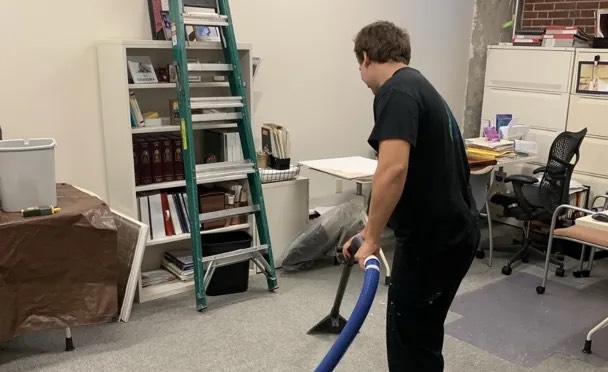
Trusted Damage Restoration Services for Temple Hills Properties
Damage Restoration Services in Temple Hills cover clean water, gray water and sewage. The type of water decides how it is removed and what can be kept.
A storm or burst pipe in Temple Hills can damage several rooms overnight. Local water extraction experts serve Temple Hills and nearby Oxon Hill, Suitland and Clinton, with help around the clock.
Damage Restoration Services Available for Temple Hills
Firefighting Water Cleanup
Water left by fire hoses and sprinklers can do as much damage as the fire in nearby rooms. Extraction and drying start as soon as the building is safe.
Fire Sprinkler Water Cleanup
Rooms that got wet but not burned are dried quickly so they do not develop odors or water stains.
Smoke Damage Cleanup
After a kitchen or house fire, soot is cleaned from hard surfaces and fabrics, and lingering smoke odor is treated before repairs begin.
Sewage Backup Cleanup
Sewage cleanup is contained so contamination stays out of clean rooms, and drying starts only after cleaning.
Storm Damage Repair
Storm water from outside is treated as contaminated, so soaked porous materials are removed before drying.
Indicators Your Property Needs Damage Restoration Services
Visible Mold Colonies
Dark spots on walls, ceilings or carpet backing mean an area has stayed wet for days.
High Indoor Humidity Levels
A home that feels humid and clammy may have wet materials releasing moisture.
Increased Utility Bills
Higher water or energy bills can point to a hidden leak or wet insulation.
Persistent Dampness in Carpets
Carpet that stays damp days after a spill or leak is holding water in the pad.
How Damage Restoration Services Work in Temple Hills
Step 1: Emergency Response and Containment
Help is available any hour, and wet or contaminated areas are closed off from the rest of the building.
Step 2: Source Removal and Extraction
The leak or backup is stopped, and water and soaked materials are removed.
Step 3: Cleaning and Deodorization
Surfaces touched by dirty water are cleaned and disinfected, and odors are addressed.
Step 4: Drying and Verification
Drying continues until readings match unaffected areas of the building, and then the equipment is removed.
What Often Leads to Water Damage in Homes and Businesses
Accidental Overflow Incidents
Tubs, sinks and toilets left running overflow into the room and the floor below.
Plumbing System Failures
Burst pipes, failed fittings and leaking supply lines release water inside walls and floors.
Firefighting Water
Water from hoses and sprinklers used to put out a fire soaks rooms throughout the building.
Foundation Cracks and Seepage
Foundation cracks let groundwater seep into lower levels and finished spaces after heavy rain.
Both Home and Business Damage Restoration Services in Temple Hills
Residential Damage Restoration Services
After a fire, homeowners face water damage in rooms the fire never reached. Those rooms are extracted and dried so they can be repaired.
Commercial Damage Restoration Services
Commercial buildings after a sprinkler discharge may have water across several floors. Each floor is extracted and dried in order.
Professional Damage Restoration Services or DIY Repair in Temple Hills
Fans and open windows help surfaces dry, but hidden water inside walls and under floors needs dehumidifiers and moisture readings to confirm it is really gone.
Estimating Your Damage Restoration Services Costs
Sewage and floodwater cleanups in Temple Hills cost more than clean water jobs, because more materials are removed and surfaces disinfected.
Required Equipment
The number of pumps, extractors, air movers and dehumidifiers needed affects the total.
Content Restoration Scope
Moving, cleaning and storing furniture and belongings adds labor and time to the job.
Structural Drying Time
Drying usually takes several days, and each day of equipment adds cost.
Does Insurance Cover Damage Restoration Services?
Photograph the water, the source and damaged belongings before cleanup starts, and keep receipts for emergency extraction and drying equipment.
The Value of Professional Damage Restoration Services
Industry Drying Standards
Drying follows industry water damage standards, with moisture readings taken at every visit.
24/7 Emergency Response
Help is available day or night, so water is removed before it spreads further.
Contents Care
Furniture and belongings are moved, protected and listed so they can be dried or claimed.
24/7 Damage Restoration Services Response for Temple Hills
Night, weekend or holiday, local water extraction experts handle water damage in Temple Hills. Call (240) 261-5117 to get the water out and drying started.
Call Now (240) 261-5117Damage Restoration Services Coverage for the Temple Hills Region
Each place listed below has its own page with local details.
- Damage Restoration Services in Suitland
- Damage Restoration Services in Clinton
- Damage Restoration Services in District Heights
- Damage Restoration Services in Alexandria
- Damage Restoration Services in Mitchellville
- Damage Restoration Services in Owings Mills
- Damage Restoration Services in Bowie
- Damage Restoration Services in Largo
Frequently Asked Damage Restoration Services Questions
What is the goal of water damage recovery?
To remove the water, dry the structure fully and leave it ready for repairs without hidden moisture.
What happens to the water damage after a fire is put out?
Water from hoses and sprinklers is extracted, soaked materials are removed and the structure is dried.
What is included in emergency water extraction services?
Stopping the source, making power safe, pumping and extracting standing water and starting drying.
How are belongings tracked during water damage restoration?
Items are photographed and listed by room, noting what was cleaned, stored or discarded.
What does following industry drying standards mean?
Using moisture readings to guide drying and confirming materials are dry before equipment is removed.