Temple Hills, MD · Prince George's County
Water Damage Restoration in Temple Hills, MDSewage Cleanup & Flood Cleanup
Water Damage Restoration in Temple Hills covers water removal, structural drying, flood cleanup and wet carpet drying by local water damage pros.
Answered 24/7
Water Damage Restoration Services Available in Temple Hills
In Temple Hills, a census-designated place in Prince George's County, property owners can call for help with flooded rooms, wet carpet, soaked drywall and water in ceilings. Local water extraction experts start with extraction and finish with dry moisture readings.
Photos of the damage and the drying logs are kept for your insurer, who decides what the policy pays.
For businesses in Temple Hills and nearby Oxon Hill, Suitland and Clinton, downtime is the main cost of water damage. The experts bring industrial pumps and drying equipment sized for large spaces.
Comprehensive Water Damage Restoration for Temple Hills
The services below are grouped by the kind of damage, and each link leads to a page with signs, steps and cost factors.
Water Damage Services in Temple Hills
Help for leaks, burst pipes, flooded rooms and wet ceilings, from water extraction to structural drying.
Common Signs You Need Water Damage Restoration in Temple Hills
Persistent Musty Odors in Rooms
A lingering earthy smell often means mold is growing somewhere you cannot see, usually where a leak went unnoticed.
Bubbling or Peeling Paint
Paint that blisters or peels away from the wall has moisture underneath. Repainting before it dries only hides the problem.
High Indoor Humidity After a Storm
A sticky feel to the air and foggy windows after a storm mean moisture got inside and has not dried out.
Visible Mold Growth on Surfaces
Black, green or white spots on walls or baseboards point to moisture that has been there for days or longer.
Puddles Around Appliances or Toilets
Standing water near the water heater, washing machine or toilet base means a hose, valve or seal is leaking.
How Water Damage Restoration Works in Temple Hills
Step 1: Emergency Water Extraction
Truck-mounted pumps and extractors remove the standing water so it stops spreading into dry rooms.
Step 2: Structural Drying and Dehumidification
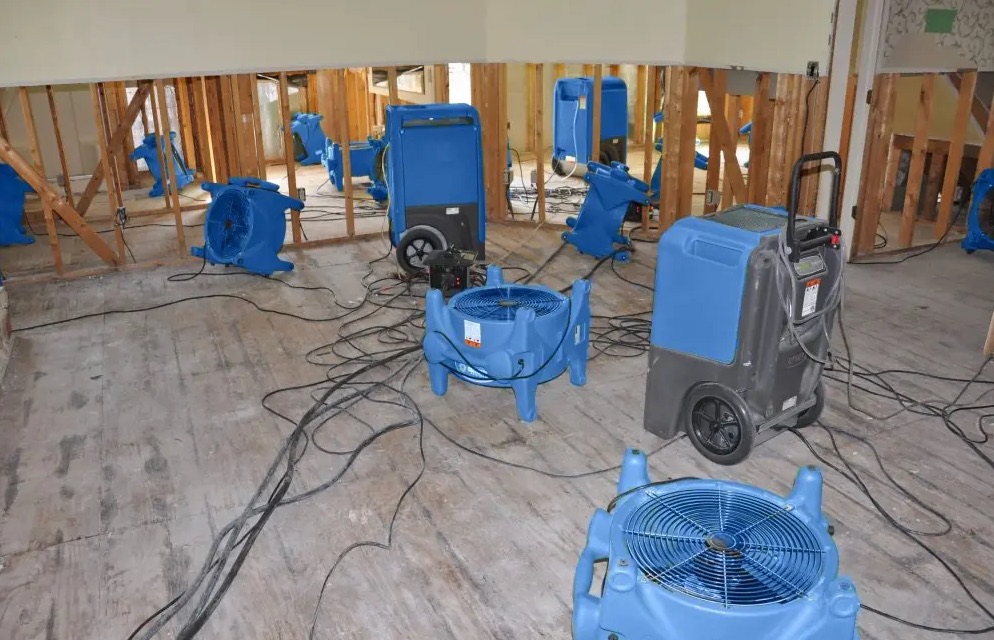
Air movers and dehumidifiers dry walls, floors and hidden cavities to help prevent warping and mold.
Step 3: Content Cleaning and Sanitization
Wet belongings are cleaned, disinfected or packed out for off-site cleaning so more of them can be saved.
Step 4: Final Repair and Restoration
Once moisture readings are dry, damaged drywall, insulation and flooring are replaced and finished.
Typical Causes of Water Damage in Temple Hills
Roof Leaks From Damaged Shingles
Missing, cracked or aging roofing lets rain into the attic and then the ceilings below.
Sewer Line Backups or Blockages
Tree roots, debris or an overloaded city sewer can push contaminated water back up into the house.
Foundation Cracks and Seepage
Saturated soil presses water through cracks in foundation walls or the slab, soaking lower floors.
HVAC Condensate Drain Line Clogs
A blocked AC drain line makes the drain pan overflow, leaking water into walls or ceilings.
Sprinkler System Leaks or Breaks
A broken underground irrigation line soaks the soil around the house, and that water can seep inside.
Home and Business Water Damage Restoration in Temple Hills
Residential Water Damage Restoration
In a single-family home, a burst pipe can spread water through walls and under floors. Pros extract it, then dry the structure, including attics and crawl spaces.
Commercial Water Damage Restoration
Restaurants, stores and offices have wiring, fixtures and finished interiors at risk. Pros remove water with equipment sized for large commercial floors.
When DIY Is Not Enough for Water Damage Restoration in Temple Hills
A mold patch of a few square feet can be cleaned with gloves, a mask and a suitable cleaner. Larger patches, or mold after a leak, should be left alone for the pros; disturbing it spreads spores.
Understanding Water Damage Restoration Costs in Temple Hills
In Temple Hills, cost follows the size of the wet area, the type of water and how long drying runs. Commercial jobs often need larger equipment, which adds to the total.
Required Drying Equipment
The number of air movers and dehumidifiers on site, and how many days they run, affect the price.
Access and Containment
Crawl spaces and wall cavities are harder to reach and may need extra access work or containment.
Secondary Mold Growth
If mold has started, testing, containment and removal are added to the job.
Water Contamination Category
Clean water from a supply line is simplest. Grey water from appliances and black water from sewage need disinfection and protective gear, which costs more.
Does Insurance Cover Water Damage Restoration?
Your insurer will want to see the damage before cleanup and know the cause. Pros record both with moisture meters and thermal images. Your deductible and limits set what you pay.
Benefits of Local Help for Water Damage Restoration in Temple Hills
Mold Prevention Focus
Fast drying and EPA-registered antimicrobials, where needed, help keep mold from taking hold.
Sewage Cleanup Safety
For sewage backups, the experts use protective gear and disinfectants to deal with the contamination safely.
Containment Protocols
Plastic barriers keep dust, spores and odors out of the rest of your Temple Hills home during the work.
Documentation for Insurance
Photos, daily logs and moisture readings give you a factual record of the damage and the work for your claim.
24/7 Emergency Water Damage Restoration in Temple Hills
Water spreads fast once it is inside. For 24/7 emergency service in Temple Hills, call the experts at (240) 261-5117.
Call Now (240) 261-5117Water Damage Restoration Frequently Asked Questions
What is involved in mold remediation after water damage?
Containment, removal of moldy porous materials, HEPA vacuuming, antimicrobial treatment and a check that the area is dry.
Does water damage always lead to mold?
Not always, but mold is likely if wet materials are not dried within 24 to 48 hours.
How are hardwood floors dried after a flooding incident?
Often with controlled drying and humidity control to stop cupping. Some boards may be lifted to dry the underside.
What is the first step in water damage restoration?
Removing the standing water. Extraction stops it from soaking further into floors, walls and belongings.
What happens during the flood cleanup process?
Extracting water, removing wet materials that cannot be saved, cleaning and disinfecting surfaces, then drying what remains.
How does storm damage differ from other water damage?
Storms often cause several kinds of damage at once, such as roof, window and water damage, so the roof or wall opening has to be fixed as well as the inside dried.
All Restoration Services in Temple Hills, MD
Water Damage1
Local Water Damage Restoration Areas Including Temple Hills
Other places served are listed below, each with its own page.